Sewage Cleanup in Santa Monica — Category 3 Black Water Remediation
Sewage Cleanup Services in Santa Monica
Sewage backup cleanup in Santa Monica requires Category 3 (black water) remediation protocols — not standard water damage drying. Sewage contains fecal coliform bacteria, E. coli, hepatitis A, and parasitic organisms that contaminate all surfaces it contacts, including floors, walls, subfloor materials, and personal property. We respond to sewage backup events throughout Santa Monica 24 hours a day.
Santa Monica's older building stock is particularly prone to sewage events. The city's pre-1980 plumbing infrastructure — present in 76.3% of the housing stock — includes original cast-iron and galvanized lines that corrode, develop partial blockages, and fail under the pressure of a multi-story building's daily flow. Ocean Park and Pico District apartment buildings from the 1950s and 1960s are among the most common sources of sewage backup calls we receive.
Sewage Backup Cleanup
Toilet overflow, floor drain backup, and plumbing failure cleanup. We extract standing sewage water, remove contaminated materials, and treat all affected surfaces under black water protocols.
Floor & Wall Decontamination
Sewage contamination penetrates porous materials within minutes. Tile and hardwood floors, drywall, baseboards, and cabinets in the affected area are treated or removed depending on contamination depth.
Subfloor Remediation
In Santa Monica's older buildings with raised foundations, sewage can seep through floor gaps into crawl spaces and subfloor cavities. We assess and remediate subfloor contamination — not just the surface.
Odor Removal
Sewage odor results from bacterial activity in biological material remaining in the structure. We address it at the source — not with masking agents — using HEPA air scrubbing and enzymatic treatments.
Structural Drying
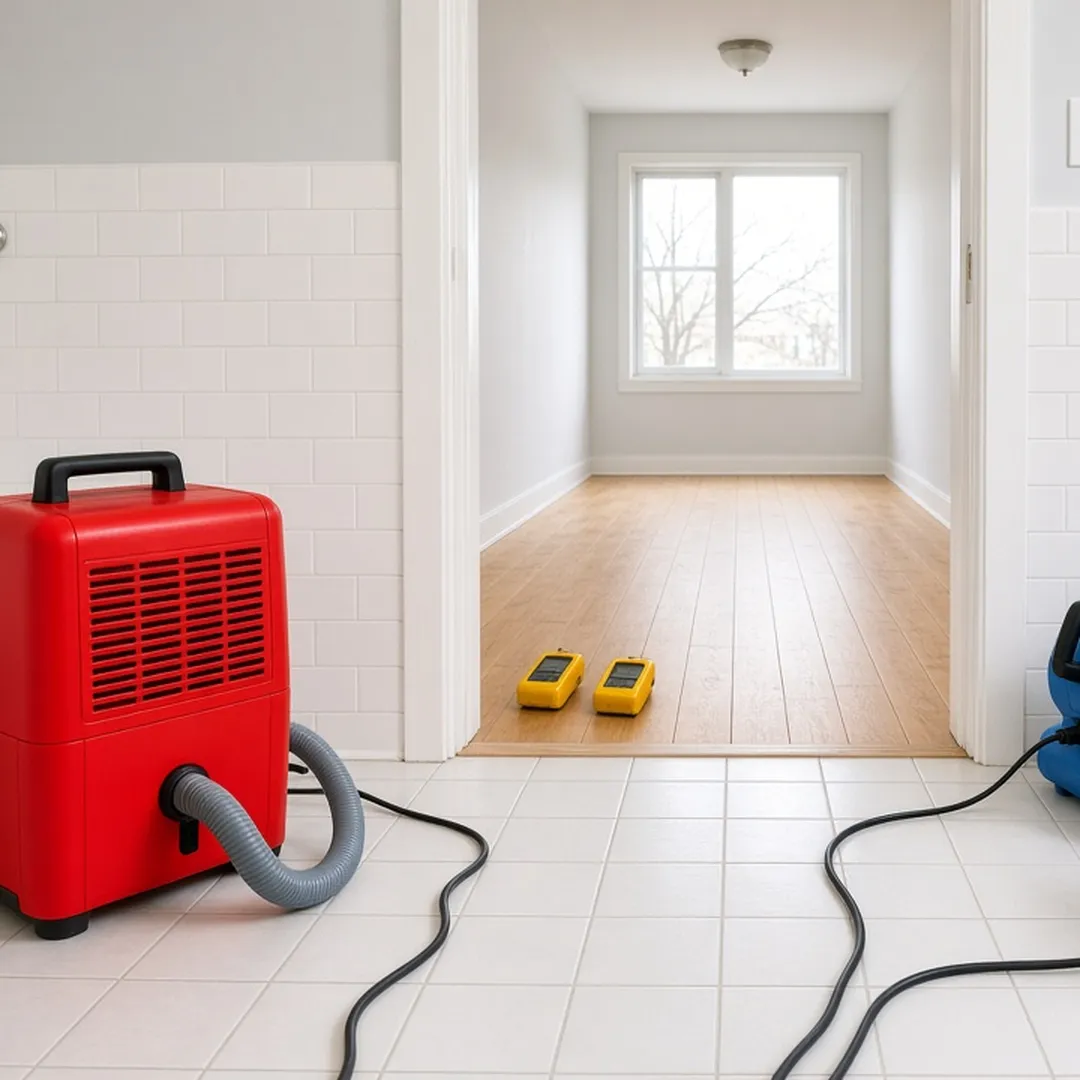
After sewage extraction and decontamination, affected structural elements must be brought to acceptable moisture content before closing the space. We use commercial dehumidifiers and air movers, and verify moisture levels with calibrated meters.
Work is performed by independent professionals.
How Sewage Cleanup Works
First, we stop the source. We do not begin remediation until the plumbing failure causing the backup has been isolated — either by a plumber or by shutting off the supply. We assess the full extent of the affected area, including adjacent rooms and the floor level below.
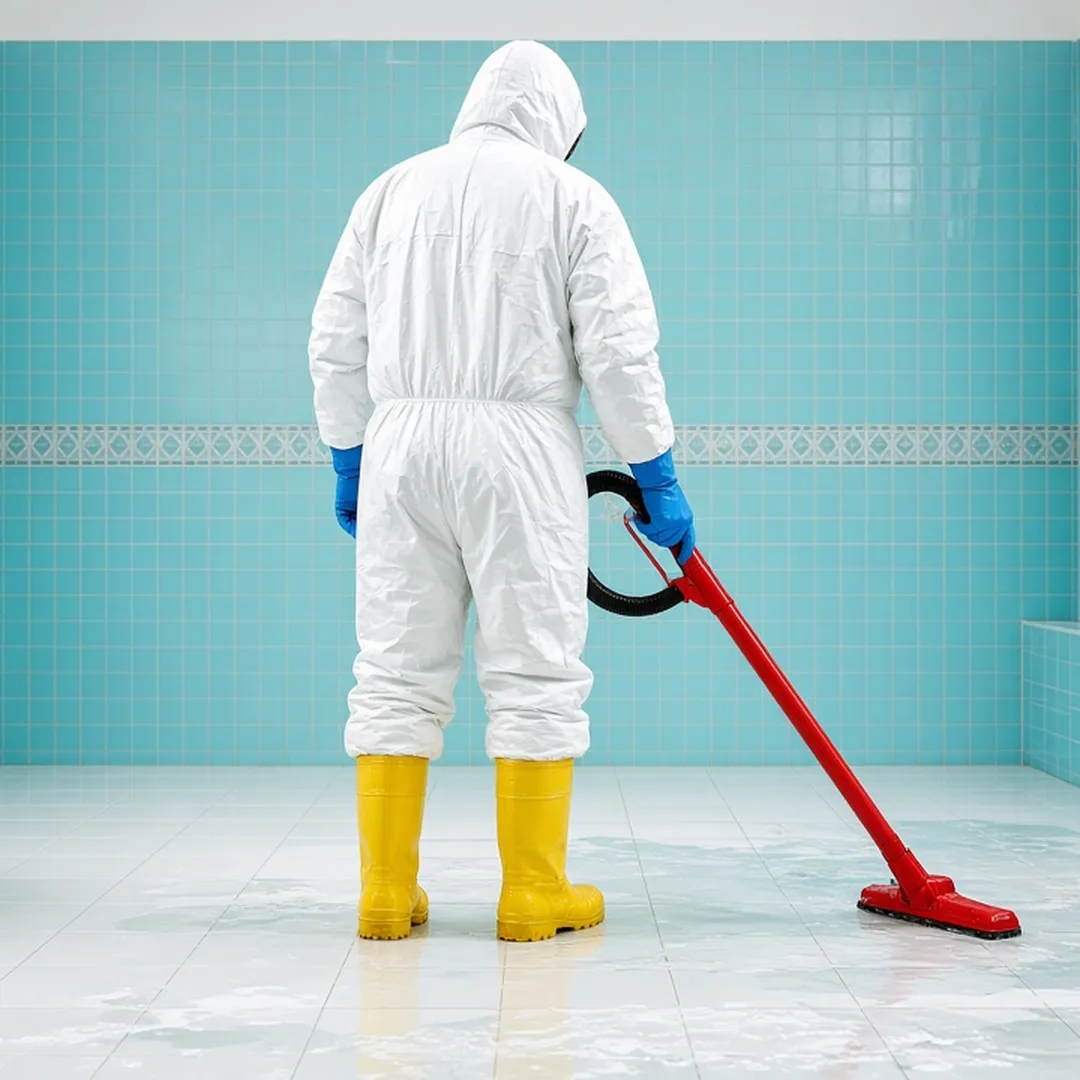
Second, we extract all standing sewage using commercial-grade wet vacuums and extract equipment. Sewage is not discharged to the building's drain system — it is removed under CDPH protocols.
Third, we remove contaminated porous materials — flooring, drywall, insulation, cabinets — that cannot be effectively decontaminated in place.
Finally, we treat all remaining surfaces with EPA-registered disinfectants rated for sewage contamination, run structural drying equipment to verified moisture targets, and document the completed remediation for insurance claims.
Sewage Cleanup Cost in Santa Monica
Sewage backup cleanup in Santa Monica runs $2,000–$10,000 for most residential events, based on national averages from Fixr and HomeGuide. Events that penetrate into subfloor cavities, affect multiple rooms, or require significant material removal run higher.
Standard homeowner's and renter's insurance policies cover sewage backup damage under the dwelling or dwelling extension section in most cases — though some policies require a specific sewage backup endorsement. Review your policy before filing a claim. We provide full documentation for insurance purposes.
Frequently Asked Questions
What is Category 3 water and why does sewage require it?
The water damage industry classifies sewage as Category 3 (black water) — the highest contamination level — because it contains fecal bacteria, hepatitis A, E. coli, and parasitic organisms. Category 3 events require full surface decontamination and material removal wherever porous materials were contacted, not just drying. Standard water damage mitigation companies that only dry are not equipped to handle sewage safely.
How quickly does sewage contamination spread?
Sewage wicks into porous materials within minutes of contact. Drywall absorbs sewage up to its wet line in 1–2 hours. Subfloor materials in Santa Monica's older buildings with gaps between floor sections absorb sewage into crawl spaces even faster. The longer a sewage event goes before remediation, the more material requires removal rather than surface treatment.
Does homeowner's insurance cover sewage backup?
Many homeowner's policies cover sewage backup under the dwelling section, but some require a specific sewage backup endorsement. Review your policy's water damage exclusions carefully. We document the event, affected areas, and all remediation work in the format insurance carriers require for claims.
Do you coordinate with plumbers?
We remediate the sewage contamination — we do not repair the plumbing failure that caused it. We work alongside plumbers and can coordinate on timing so that plumbing repair and biohazard remediation happen in the right sequence. The plumbing repair must be complete before we close out the remediation.
Is sewage odor in a neighboring unit a concern?
Yes. In multi-unit buildings, sewage odor traveling to a neighboring unit indicates the contamination has spread beyond the primary event space — through shared wall cavities, HVAC ducts, or floor penetrations. We assess neighboring units on request when the primary event is in a shared building.